
Watches represent a wonderful combination of craftsmanship, practical functionality, and personal style. Different models offer unique appearances, operating mechanisms, and features that make exploring timepieces an interesting experience. Understanding how watches work helps buyers recognize their individual qualities and select designs that complement their preferences. From traditional mechanical movements to modern quartz technology, every model offers something valuable. Learning about these differences also makes comparing specifications easier and encourages more confident purchasing decisions.
Understanding Different Watch Models
Watch models are available in various styles, each designed to provide a distinctive appearance and practical experience. Exploring these categories helps buyers understand how design, functionality, and construction influence everyday use.
Some popular watch styles include:
- Classic Watches: Feature elegant designs, simple dials, and timeless details suitable for different occasions.
- Sports Watches: Combine durable construction with practical functions that support active lifestyles.
- Dress Watches: Offer refined appearances with sophisticated finishes and comfortable proportions.
- Digital Watches: Display information through numerical screens for convenient time reading.
- Hybrid Watches: Combine traditional watch appearances with selected modern technological features.
Exploring Mechanical Watch Movements
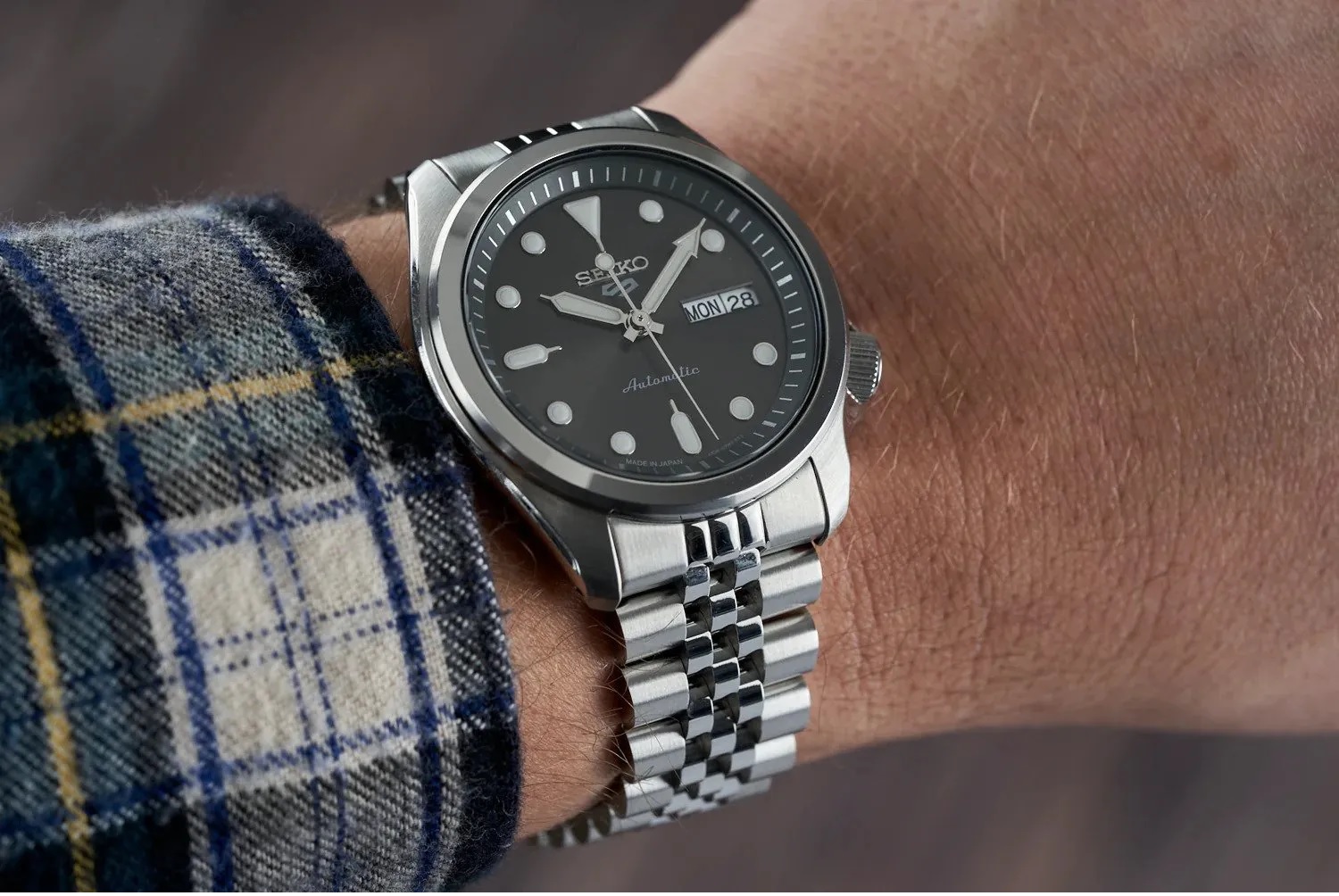
Mechanical movements demonstrate the remarkable craftsmanship involved in traditional watchmaking. These mechanisms operate through carefully arranged components, springs, and gears that work together to measure time accurately.
Learning about their construction provides valuable insight into the engineering and attention to detail behind these timepieces.
Important mechanical movement characteristics include:
- Mainspring Mechanism: Stores energy that powers the movement through controlled release.
- Gear Train: Transfers energy between internal components to maintain timekeeping.
- Balance Wheel: Helps regulate the movement and support consistent operation.
- Manual Winding: Allows users to provide energy by turning the winding crown.
- Automatic Winding: Uses wrist movement to replenish the mainspring’s stored energy.
Discovering Quartz Watch Technology
Quartz movements provide a convenient approach to modern timekeeping through electronic components and battery power. Their practical operation, dependable accuracy, and straightforward maintenance make them appealing for everyday use.
Several features make quartz watches particularly interesting:
- Battery Operation: Supplies energy to maintain continuous timekeeping.
- Quartz Crystal: Vibrates at a consistent frequency to regulate time measurements.
- High Accuracy: Supports dependable performance with minimal time variation.
- Low Maintenance: Offers convenient ownership with limited routine requirements.
- Affordable Options: Provides access to attractive designs across different budgets.
Comparing Watch Features And Specifications
Understanding product specifications helps buyers recognize differences between models and identify features that match their expectations. Clear descriptions make technical information easier to understand and support more informed comparisons.
Useful specifications to examine include:
- Case dimensions and overall watch weight.
- Dial readability and display arrangements.
- Strap materials and adjustment options.
- Water resistance and protective construction.
- Power sources and movement maintenance requirements.
Resources such as rwi us com can provide additional opportunities to explore watch-related information, understand different models, and become familiar with important movement characteristics.
Appreciating Watch Quality And Craftsmanship
Quality watches bring together thoughtful engineering, attractive materials, and carefully finished components. Paying attention to these details helps buyers appreciate the work involved in creating reliable and visually appealing timepieces.
Consider these important qualities:
- Smooth finishing across cases and bracelets.
- Clearly arranged dials with readable markings.
- Comfortable straps designed for regular wear.
- Well-constructed internal movement components.
- Balanced proportions that complement personal style.
Conclusion
Exploring watch models and movements becomes easier with clear information about their designs, mechanisms, and practical features. Understanding mechanical, automatic, and quartz technologies helps buyers appreciate their individual advantages. By comparing specifications, materials, and craftsmanship, readers can develop stronger product knowledge and confidently discover timepieces that combine dependable performance, lasting appeal, and everyday comfort.